Tree removal in Poplar: safe, practical help for homes and businesses
If you are looking into Tree removal in Poplar, you are probably dealing with a tree that has become unsafe, overgrown, storm-damaged, or simply unsuitable for the space it is in. In a busy area like Poplar, trees can create real challenges for homeowners, landlords, housing associations, commercial sites, and property managers. A tree may be blocking light, lifting paving, growing too close to a building, or causing concerns about fallen branches, roots, or disease. Whatever the reason, removing a tree is not a small decision, and it should be handled with care, planning, and the right local experience.
Poplar has a mix of property types, from terraced streets and residential estates to offices, yards, schools, managed developments, and commercial premises. That variety means tree work often needs a thoughtful approach. Access can be tight, parking can be limited, and work may need to be scheduled carefully to avoid disruption to neighbours, customers, or tenants. A local team that understands these conditions can make the process far smoother from the first visit to the final tidy-up.
Whether you need one small tree taken down in a garden or several larger specimens removed from a managed site, the aim is the same: a safe, efficient service that leaves the area clear and ready for its next use. Below, you will find practical information about how tree removal works in Poplar, what is usually included, what affects cost, and how to prepare for the job.
Why tree removal may be the right option

Tree removal is often the last step after other options have been considered. In many cases, pruning, crown reduction, or selective branch removal may solve the problem. But when a tree is dead, badly leaning, structurally unsound, or damaging nearby surfaces, full removal can be the most sensible choice. A tree may also need to be removed if it is too large for its setting, planted too close to a building, or interfering with planned works on the property.
In Poplar, common reasons customers ask about removal include blocked sunlight in compact gardens, roots affecting patios or driveways, branches encroaching on roofs and gutters, and trees that have grown awkwardly in narrow spaces. In some locations, a tree may also create issues with visibility, security lighting, access routes, or communal areas that need to remain open and safe.
Important note: tree removal should always be assessed properly before work begins. A qualified professional can check the tree’s condition, size, location, and surroundings to decide whether removal is necessary and how best to carry it out.
Tree removal in Poplar for residential and commercial properties

Local property owners and managers often need different levels of support depending on the site. A small front garden in Poplar may need careful dismantling with minimal disturbance, while a commercial yard, school boundary, or housing block may require additional planning for access, safety barriers, and waste handling. A good service should be flexible enough to adapt to both straightforward and complex removals.
For residential customers, the focus is usually on protecting nearby fences, sheds, garages, lawns, and paving. For commercial clients, the priorities may include keeping entrances clear, preventing risk to staff or visitors, and completing work within a short window so business operations are not interrupted. In either case, the job should be carried out with attention to safety and a clear plan for removing all waste materials.
Working locally also matters because Poplar has streets and estate layouts where vehicles, equipment, and access routes need to be managed carefully. The more familiar the team is with local conditions, the better they can plan for loading, parking, and the safe removal of wood, branches, and stump material.
What is included in a professional tree removal service
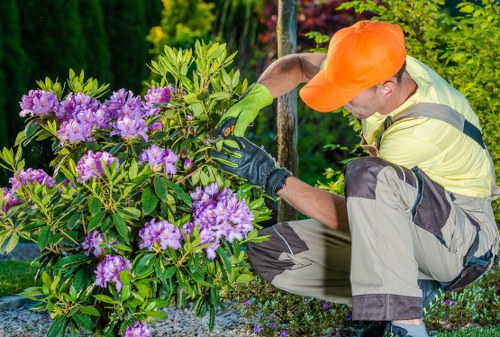
A proper tree removal service is more than simply cutting a tree down. It should include a site assessment, a methodical removal plan, safe dismantling, debris handling, and a final clean-up so the space is left in a usable condition. Depending on the tree and location, the team may use sectional dismantling, rigging equipment, lowering lines, or specialist access methods to reduce risk.
Typical service elements include:
- Initial inspection of the tree, surrounding structures, and access points
- Risk assessment for people, property, utilities, and neighbouring areas
- Controlled dismantling where the tree is removed in sections if needed
- Branch, trunk, and green waste removal
- Site clearance so the area is left tidy and safe
- Optional stump grinding where requested or appropriate
Not every job needs the same method. A skilled local team will choose the safest and most efficient approach for the tree, the property, and the surrounding environment. That flexibility is especially important in dense parts of Poplar where gardens may be small and access points limited.
How tree removal usually works

Most customers want to know what to expect on the day. While every site is different, the process often follows a clear pattern. First comes the assessment, where the tree’s condition and location are reviewed. This may include checking for decay, storm damage, root problems, overhanging limbs, or signs that the tree has become unstable. The team then decides whether the tree can be felled in one controlled section or should be dismantled piece by piece.
Once the plan is agreed, the work area is made safe. This may involve setting up cones, barriers, or exclusion zones, particularly where there are nearby walkways, shared entrances, or vehicle access routes. The tree is then removed carefully, with larger sections lowered if necessary to protect nearby structures. After the tree has been taken down, the remaining material is cleared away and the site is checked so that no obvious hazards remain.
For many customers in Poplar, the biggest benefit of using a professional team is peace of mind. Tree removal can involve height, heavy timber, chainsaws, and awkward working conditions. When handled by trained specialists, the job becomes much more manageable and far less disruptive for everyone involved.
Access, parking, and site constraints in Poplar
Local conditions matter a great deal when arranging tree removal in Poplar. Some streets have limited parking, shared access, narrow frontage, or busy foot traffic. Larger properties may have service yards or rear access, but those routes can still be restricted by gates, overhead obstacles, or nearby parked vehicles. Before work begins, it helps to think about how the team will reach the tree, where equipment can be safely positioned, and how waste will be taken away without causing unnecessary disruption.
Where access is tight, the removal plan may need to be adjusted. That could mean using smaller equipment, working in sections, or arranging the job at a quieter time of day. These practical details are one reason a local service is so useful: it is easier to plan around the realities of Poplar’s streets, estates, and mixed-use sites when the team is already familiar with the area.
For commercial premises, it may also be important to coordinate with staff, tenants, or building managers so that entrances and loading areas remain safe. A reliable provider should be able to work around your schedule wherever possible, especially when there are customers or residents nearby.
Signs a tree may need to be removed
Not every problem tree looks dangerous at first glance. Some issues develop slowly, and customers only notice them once the tree starts affecting the property or surrounding land. If you are unsure whether a tree should be removed, it helps to look for visible warning signs and arrange an assessment before the problem worsens.
Common signs include dead or brittle branches, repeated dropping of limbs, a leaning trunk that appears to be changing, mushrooms or fungal growth near the base, split trunks, visible decay, root movement, or branches rubbing against buildings and cables. In some cases, a tree may be alive but still unsuitable because it has become too large for the space or is causing ongoing nuisance.
Another reason customers request removal is when a tree prevents plans for landscaping, building work, or site improvement. If a tree is making it impossible to use the space properly, removing it can create a safer and more practical layout for the property.
When removal is often preferable to pruning
Pruning can be a good solution for many trees, but there are situations where it only delays the inevitable. If the trunk is badly decayed, the root system is compromised, or the tree has serious structural defects, reducing the canopy may not solve the underlying risk. In those cases, full removal is often the most responsible option.
It is also worth considering the tree’s long-term value. A tree that already has poor health, conflicts with nearby structures, or requires repeated corrective work may be costing more in maintenance than it is adding in benefits. A professional opinion can help you decide whether to preserve the tree or take it down.
Planning considerations before the work starts
Before any removal begins, a few important questions should be answered:
- Is the tree protected by a Tree Preservation Order or located in a conservation area?
- Are there power lines, walls, sheds, greenhouses, or parking areas close by?
- Will sections need to be lowered by rope rather than felled directly?
- Do neighbours, residents, or business users need advance notice?
- Is stump removal required after the tree is down?
These questions help create a safer and more accurate plan. They also reduce surprises on the day and make it easier for the work to be completed with minimal disruption.
What affects the price of tree removal
Customers often ask about cost first, and that is completely understandable. The price of tree removal in Poplar can vary a lot depending on the tree itself and the complexity of the site. It is difficult to estimate properly without seeing the tree, because factors such as size, condition, access, and waste removal all influence the amount of time and equipment required.
Typical pricing factors include:
- Tree size and height — larger trees generally take longer and may require more equipment.
- Condition of the tree — diseased, unstable, or storm-damaged trees can need extra care.
- Access to the site — narrow or restricted access can increase labour and planning time.
- Complexity of dismantling — some trees must be taken down in sections.
- Nearby hazards — buildings, fences, utilities, or busy areas may require added precautions.
- Waste disposal requirements — hauling away large volumes of timber and branches affects the job scope.
- Stump grinding or root work — this is usually separate from the tree removal itself.
Best practice: ask for a site visit or clear written quote so you understand what is included. That way you can compare services properly and avoid misunderstandings later on.
Why a local quotation is helpful
A local team can usually give a more realistic assessment because they understand the access challenges, parking restrictions, and types of properties common in Poplar. They are also more likely to know how to plan around residential roads, commercial entrances, and shared spaces without creating unnecessary disruption.
How to prepare for tree removal
A little preparation can make the whole process smoother. It helps the team get on with the work quickly and safely, and it can reduce delays on the day. If your tree is in a garden, courtyard, communal area, or service yard, consider the following before the appointment.
- Move cars, bikes, bins, furniture, and fragile items away from the work area.
- Keep children, pets, and visitors clear of the site while the work is taking place.
- Tell neighbours or nearby occupants if access or noise may affect them.
- Unlock gates or arrange access points where needed.
- Point out any hidden obstacles, such as cables, drains, sheds, or loose paving.
- Let the team know if you want the stump removed, left in place, or treated in a specific way.
If the tree is in a communal or commercial setting, it may also help to reserve loading space or temporary access where possible. This is especially useful in busier parts of Poplar where parking and manoeuvring room can be limited.
Why choose a local company for tree removal in Poplar
Choosing a local company can make a significant difference to both convenience and results. Local teams are more likely to understand the practical realities of working in Poplar, from residential streets to mixed-use developments and commercial estates. They will know how to approach tight access, shared boundaries, and busy foot traffic with less trial and error.
A local service is also better placed to offer responsive scheduling. When a tree becomes dangerous after bad weather or starts interfering with a property issue, waiting too long is not ideal. Having a nearby team means the job can often be assessed and arranged more efficiently.
There is also value in clear communication. A local provider should be able to explain what will happen, what is included, and whether any additional work such as stump grinding, pruning of adjacent trees, or clearance of debris may be useful after the main removal.
Good reasons to book locally
- Faster site visits and easier planning
- Better understanding of local access issues
- More practical scheduling for homes and businesses
- Less disruption through smarter planning
- Clearer advice based on local property conditions
Areas covered around Poplar
Tree removal services in Poplar often extend to nearby neighbourhoods and surrounding parts of East London where similar property types and access conditions are common. This may include nearby residential streets, estate areas, waterside developments, industrial or commercial sites, and mixed-use buildings where safe tree management is important.
Customers in neighbouring areas may also need support with garden trees, boundary trees, overgrown hedges, or trees affecting driveways, car parks, and access routes. If your property sits between residential and commercial uses, a flexible team is especially valuable because the work may need to accommodate both sets of requirements.
When you enquire, it is helpful to mention the location, the tree’s approximate size, whether access is from the front or rear, and whether the job is for a private home, rental property, managed site, or business premises. That information makes the initial quote or assessment more accurate.
Stump removal and aftercare options
Once a tree has been removed, many customers decide whether the stump should be left, reduced, or ground out completely. Leaving a stump may be acceptable if the area will not be used again, but in many cases stump grinding is recommended to improve the appearance of the site and reduce future problems.
A leftover stump can get in the way of landscaping, cause an obstruction in a garden, or create a tripping issue in communal spaces. It can also produce regrowth in some tree species. If you plan to replant, lay paving, install turf, or create a new use for the area, stump removal may be worth including in the overall job.
Aftercare may also involve removing leftover roots close to the surface, clearing the immediate area, and discussing whether any nearby trees should be monitored or pruned in future. This is especially useful if the removed tree was part of a row, boundary planting, or landscaped setting.
Questions to ask before booking
Will the tree be removed in one piece or section by section? It depends on the location and surrounding risk.
Is stump grinding included? Some jobs include it, while others treat it as an extra service.
Will all waste be taken away? Confirm whether the quote includes full clearance.
How long will the job take? Time depends on size, access, and complexity.
Do I need to do anything beforehand? A short preparation checklist is usually enough, but the team may advise further steps after assessing the site.
What makes a service feel reliable
A reliable tree removal team should be clear, careful, and easy to deal with from the outset. They should explain the likely method, talk through access needs, and tell you what is and is not included. They should also treat your property with respect, work safely around the surroundings, and leave the site as clean as possible once the removal is complete.
Good tree work is not only about cutting trees down. It is about protecting nearby structures, managing risk, and helping the customer move forward with confidence. That is why clear planning and local experience matter so much in Poplar.
Frequently asked questions
Do I always need permission to remove a tree?
Not always, but some trees may be protected by a Tree Preservation Order or fall within a conservation area. It is important to check before work starts so you do not run into avoidable issues. A professional team should be able to help you understand what needs to be checked.
Can a tree be removed if it is close to my house?
Yes, but the method needs to be chosen carefully. Trees near buildings are often dismantled in sections rather than felled in one go. This allows the work to be carried out with greater control and less risk to the property.
Will the garden or site be left tidy?
That should be part of the service. Most customers expect branches, trunk sections, and debris to be removed, with the area cleared as much as possible after the tree has been taken down.
What if the tree is dangerous after a storm?
If a tree has been damaged in bad weather, it should be assessed as soon as possible. Storm-damaged trees can be unstable and may become more hazardous if left unattended. In these situations, fast action is often important.
Is tree removal suitable for commercial premises?
Yes. Commercial tree removal is common for offices, managed properties, schools, retail yards, car parks, and other business sites. The work can be planned around operational hours and site access needs where possible.
Can I book stump grinding at the same time?
Often, yes. If you want the stump removed or reduced, it is best to mention that early so the team can include it in the plan and quote accordingly.
Book tree removal in Poplar with confidence
If you need tree removal in Poplar, the safest next step is to arrange a proper assessment and request a clear quote based on your site. Whether you are dealing with an unsafe tree, a nuisance tree, or a tree that no longer suits your property, professional removal can restore safety, improve access, and make the space more usable.
From compact residential gardens to commercial and communal properties, a local team can help with planning, dismantling, waste removal, and site clearance in a way that suits your location. If you have a tree you are unsure about, do not wait until the problem gets worse. Contact us today to discuss your needs, request a free quote, or book your service now.